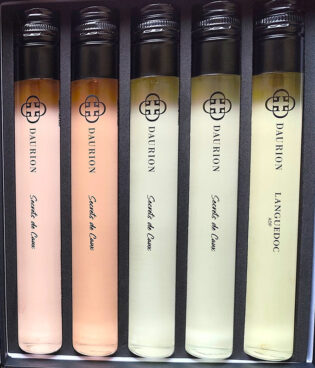
2026 Harvest. A vintage like no other, blending nature, precision, and intuition
2026 Harvest. A vintage like no other, blending nature, precision, and intuition
The sun has barely risen over the vineyards of Daurion, and the day has already begun.
This year, the first harvest began on August 11, 2026—an exceptionally early date—reflecting a vintage marked by heat, a lack of water, and, in some cases, very rapid ripening.
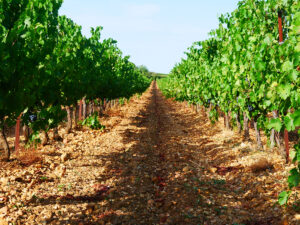
More than ever, we had to monitor each vineyard plot individually, taste the grapes, keep an eye on the balance, and make decisions at just the right moment.
In 2026, the harvest was not dictated by the calendar.
It was the grapes that made the difference.
A challenging but rewarding year
The heat wave and drought have required constant vigilance.
But this vintage also shows that a well-managed vineyard can maintain a fine balance despite difficult weather conditions.
At Domaine Daurion, the 2026 vintage also yields a substantial volume, the result of consistent work in the vineyards, sound foresight, and vineyard management tailored to the vintage.
The heat does not necessarily ruin the harvest.
When you know how to care for the vines, maintain their balance, and take action at the right time, they can continue to produce high-quality grapes while maintaining a satisfactory yield.
Harvest early to preserve freshness
Most days began at first light.
At that time of day, the grapes are cooler and arrive at the winery in better condition.
In a sunny vintage like 2026, those few hours make all the difference.
Our goal was not only to achieve ripeness, but also to preserve the freshness, acidity, and natural flavor of the grapes.
A rosé built on balance
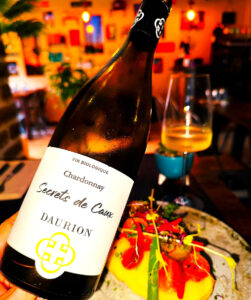
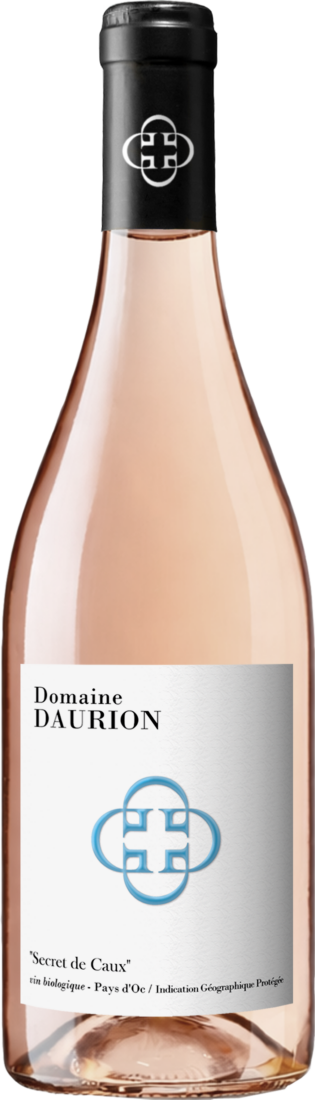
Our 2026 rosé is a blend of Syrah and Grenache, complemented by Viognier.
Syrah contributes fruit and structure, Grenache adds roundness, while Viognier brings an extra touch of aroma.
Once again, the key is balance: maturity, freshness, and finesse.
Three reds, three interpretations
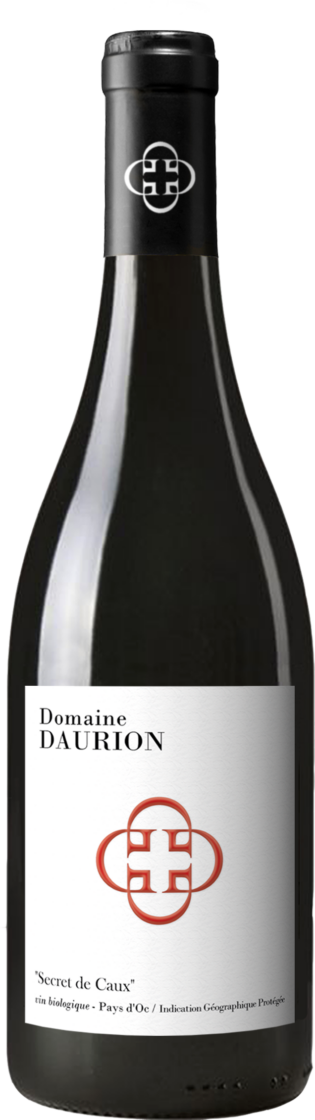
This year, we decided to produce our reds using three very different winemaking approaches.
The primary focus is on fruitiness, suppleness, and richness, in a style reminiscent of certain Beaujolais winemaking practices.
The second method is more traditional, involving fermentation on the pomace, pumping over, and gradual extraction to develop greater depth and structure.
Finally, our Marselan takes yet another approach, with alcoholic fermentation on the pomace designed to enhance the wine’s texture, body, and balance.
Three ways to make wine.
Three wines from the same vintage.
Still without wood
One point remains central to our philosophy: we do not seek to mask the wine behind the wood.
Our winemaking practices are designed to preserve the authentic flavor of the grapes, the grape variety, and the terroir.
No woody flavor.
No makeup.
We want to find in the glass what we tasted in the vineyard: the fruit, the freshness, the body, and the unique character of each vineyard plot.
For us, wine should remain approachable.
Wood can impart a strong character. We prefer that character to come from the grapes.
Between Technique and Intuition
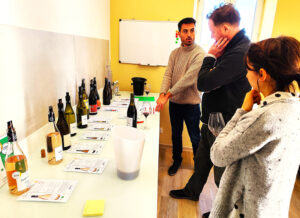
The winemaking process relies on analyses, temperatures, specific gravities, and tastings.
But it can never be fully summed up by numbers alone.
Sometimes it's necessary to take action.
Sometimes wait.
Sometimes, just do nothing.
It is through this series of decisions that technique gradually aligns with intuition.
And maybe a kind of magic, too.
The vineyard provides the raw material.
Winemaking gives it direction.
Time will do the rest.
2026: A Year to Remember
The harvest began on August 11.
Extreme heat.
Quick results.
Generous yields despite the weather conditions.
Winemaking techniques vary greatly depending on the grape variety and the desired characteristics.
And always the same commitment: to preserve the fruit and let the terroir speak for itself.
It is still too early to fully assess the 2026 vintage.
But the first vats are already beginning to show their character.
The story has only just begun.